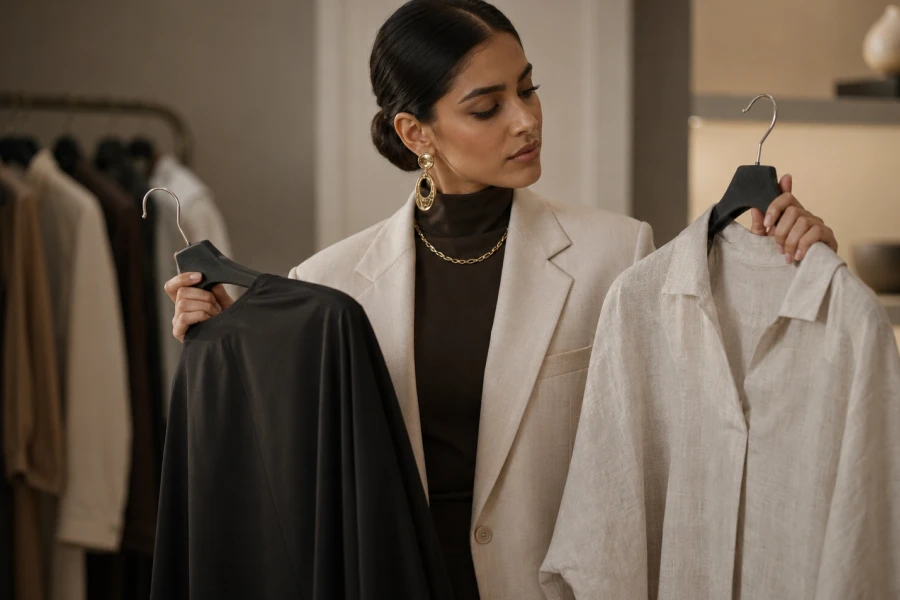
Choosing between natural fabrics vs synthetic can change how your clothes feel, wear, wash, and age. Many shoppers focus first on color, cut, or trend. Fabric often becomes an afterthought, even though it controls daily comfort. A beautiful blouse can disappoint quickly if it traps heat. A simple tee can become a favorite if the fiber feels breathable. Better fabric knowledge helps you shop with less regret. It also helps you understand labels before buying. That makes each purchase feel more intentional. A smarter closet begins with texture, structure, and use. This is where fabric decisions become personal.
Daily comfort depends on how fabric responds to your body. Cotton can feel soft and familiar. Linen can feel airy, crisp, and relaxed. Wool can offer warmth without feeling bulky. Synthetic fibers can add stretch, durability, and easy care. Each material has advantages when used thoughtfully. The problem begins when shoppers expect one fabric to do everything. A fabric comparison makes these tradeoffs easier to understand. Your wardrobe improves when every piece has a clear job. Better fabric choices reduce guessing before you buy.
Comfort is not only about softness. It includes breathability, movement, weight, and temperature. A fabric can feel smooth but still trap heat. Another can wrinkle easily yet feel wonderful all day. Natural fibers often appeal because they feel familiar against skin. Synthetics often help with stretch, shape, and performance. Blends can offer balance when the mix is well designed. You need context before judging any label. A wardrobe fabric strategy helps connect fabric to real routines. Clothing feels better when materials match your actual lifestyle.
Labels give more clues than most shoppers use. Fiber content tells you what a garment is made from. Care instructions hint at future effort. A dry-clean-only label may change how often you wear something. A high synthetic percentage may mean easier care. A high natural fiber percentage may mean better breathability. None of these details is automatically good or bad. They only become useful when you compare them with your needs. Smart shopping starts before the fitting room. Small label checks can prevent expensive closet mistakes.
Longevity depends on fiber, weave, care, and construction. A natural fabric can last beautifully when maintained well. A synthetic fabric can perform reliably when chosen for the right use. Poor stitching can ruin either option quickly. Heavy friction can wear down even expensive materials. Washing habits matter more than many people expect. A clothing durability tips approach helps you protect what you own. Durability is not only about buying stronger clothes. It also means caring for them consistently. Better fabric awareness helps garments stay useful longer.
Your climate should influence your closet more than trends. Hot weather asks for airflow, lightness, and comfort. Cold weather needs insulation, layering, and texture. Busy lifestyles may require easy laundering and wrinkle resistance. Office wardrobes may need structure and polish. Travel wardrobes benefit from pieces that pack well. Weekend clothing can prioritize softness and movement. Every fabric decision becomes easier when your life is the reference point. You stop asking which fiber is best. You start asking which fiber is best for this exact purpose.
Smart shopping does not mean choosing only one fiber type. It means understanding why a material belongs in your wardrobe. A linen shirt may be perfect for summer weekends. A wool sweater may anchor cold months beautifully. A synthetic blend may make active days easier. A cotton dress may become a reliable everyday piece. The strongest closets usually combine several fabric types. That balance gives you comfort, function, and range. With better lasting clothing choices, you buy fewer mistakes. Your clothes begin to feel right for longer.


Leave a comment