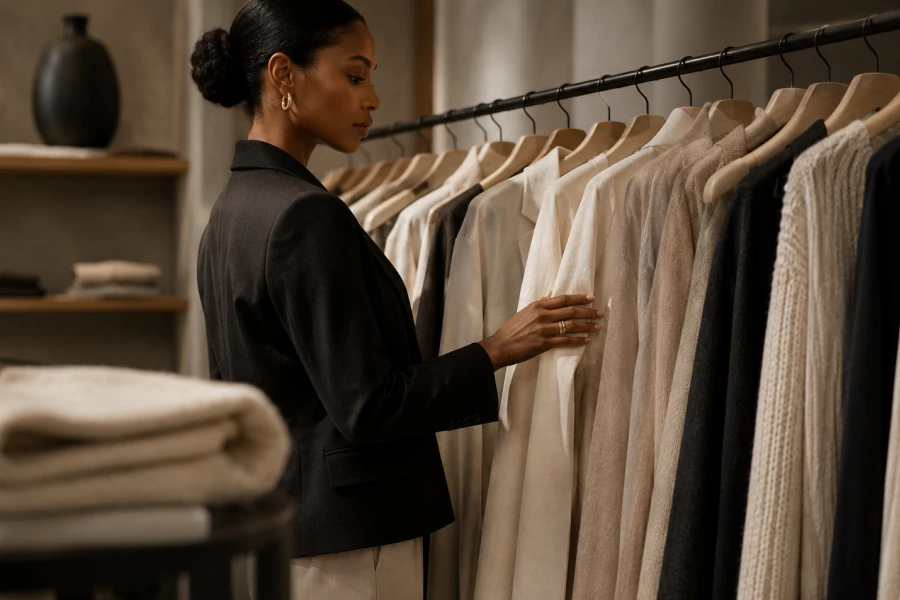
The best fabrics for clothing are not always the most expensive or fashionable. They are the materials that support how you move, work, relax, travel, and repeat outfits. A fabric that looks perfect online may feel wrong in daily use. Another fabric may seem simple but become surprisingly dependable. Smart shoppers learn to judge materials before judging styling. This makes clothing choices more practical and more satisfying. Fabric affects comfort, drape, warmth, cleaning, and durability. It can also influence confidence. When clothes feel good, outfits become easier. Better fabric choices turn your closet into something more useful.
Every garment has a job. A work shirt needs polish and comfort. A travel dress needs movement and easy care. A winter layer needs warmth without constant adjustment. A summer top needs breathability and lightness. The right material depends on the situation, not a universal rule. This is why everyday fabric decisions matter so much. You can own fewer things when each piece performs clearly. The closet becomes easier to use. Your shopping habits become more selective and less reactive.
Skin comfort is often the first clue. Some fabrics feel cool and smooth immediately. Others feel warm, fuzzy, crisp, or structured. A texture that works for one person may irritate another. That is why touching fabric matters whenever possible. Breathability also changes how comfortable clothing feels after hours. A garment can look elegant but feel frustrating by afternoon. You should notice cling, scratchiness, stiffness, and heat. These sensations are not minor details. They often determine whether you actually wear the piece. Comfort is the difference between ownership and use.
Good fabric should not only impress on the first wear. It should recover, wash, and hold shape over time. Some materials soften beautifully with repeated use. Others pill, stretch, fade, or shine too quickly. Construction and care also affect aging. Still, fabric quality gives the garment its foundation. A strong textile quality basics mindset helps you inspect pieces before buying. Check thickness, transparency, stretch return, and seam stability. These details reveal future performance. Clothing should earn its space beyond the first outfit.
Seasonal dressing is easier when fabrics do the work. Linen, cotton, and lightweight blends can help warm-weather outfits feel cleaner. Wool, cashmere, and heavier knits support colder months. Technical synthetics can help active layers dry faster. Smooth blends can help transitional pieces stay versatile. Instead of buying more clothes, choose materials that solve seasonal problems. This creates a wardrobe that feels prepared. It also reduces last-minute purchases. You become less dependent on trend cycles. Fabric becomes the quiet structure behind your personal style.
Beautiful fabric can still be impractical. A delicate material may require careful washing. A structured fabric may wrinkle less but feel less soft. A stretchy fabric may move well but lose shape faster. These tradeoffs are normal. The goal is not perfection. The goal is honest matching between garment and routine. A busy wardrobe needs items you will maintain. A special wardrobe can include higher-care pieces. When expectations are realistic, clothes stay enjoyable instead of becoming chores.
Fabric awareness becomes powerful when it turns into habit. Read labels before looking at price. Touch garments before imagining outfits. Compare care instructions before adding anything to cart. Ask whether the material fits your climate, routine, and patience. Use smart clothing labels as practical decision tools. Over time, you recognize patterns quickly. You learn which fabrics disappoint you. You also learn which ones make dressing feel effortless. That knowledge saves money, space, and energy. Better materials create better daily style.



Leave a comment